SMOKE & SOOT REMEDIATION
Advanced Fire Damage Restoration Training
Develop the combustion science knowledge, thermal damage assessment skills, and odor-control expertise required to make better decisions on complex fire losses.
A live, instructor-led training program for restoration professionals who are ready to move past basic soot cleanup and develop the technical capability to manage harder residential, commercial, and complex fire loss projects.
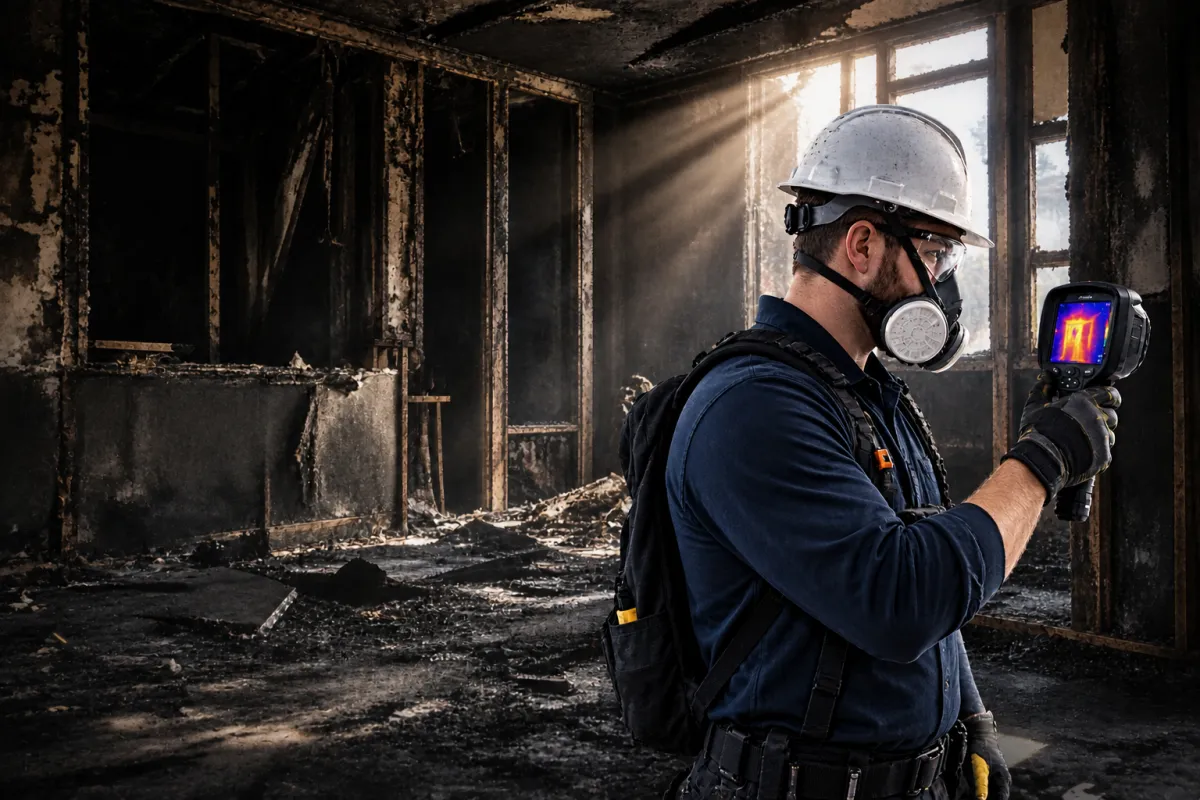
Fire doesn't just damage structures, it creates complex chemical and physical evidence that most restorers never learn to read. This webinar teaches you to investigate, document, and articulate fire and smoke damage using the scientific method, so your conclusions stand as expert findings, not opinions. Learn firsthand how inductive and deductive reasoning skills are ever so important in this class - What AI and other software cannot replicate.
One-time payment · No subscription · Certificate included
Live instructor-led training
Field Reference Guide included.
Certificate of Completion
Advanced Fire Class
Live Session
Day 1: November 10 2026 09:00:00
Day 2: November 11 2026 09:00:00
Stop Wiping Down Soot.
Start Understanding Chemistry.
Better fire restoration starts with understanding what happened, not just cleaning what you can see.
Basic fire cleanup training teaches you what to wipe. This one teaches you why it's there in the first place, which is the difference that shows up the moment a job stops being simple.
When a project involves different combustion sources, hidden thermal damage, a corrosion timeline working against you, persistent odor, HVAC (heating, ventilation, and air conditioning) contamination, or a complex reconstruction handoff, a fogger and a general cleaning agent aren't enough on their own. You need to understand what happened in that fire and be able to explain the restoration decisions that follow
That's what Advanced Fire is built to develop.
Technical Training for Restoration Professionals Who Want to Operate at a Higher Level
Advanced Fire is a live, instructor-led professional training program covering combustion science, soot classification, thermal damage assessment, cleaning chemistry, surface-specific restoration, HVAC decontamination, odor science, corrosion prevention, and documentation for complex fire losses.
Instead of stopping at basic cleanup procedures, the course focuses on the technical reasoning behind fire restoration decisions and the field situations where real experience and judgment matter most.
You'll work through:
Combustion science and byproducts
Soot classification and behavior
Thermal damage assessment
Advanced cleaning chemistry
Surface-specific restoration
HVAC and duct system decontamination
Odor science and counteracting methods
Corrosion prevention and timelines
Documentation and estimating
Complex loss case studies and instructor Q&A
The goal isn't another certificate. It's the ability to explain, with confidence, what a fire actually did to a structure, and to make the restoration decisions that follow from that understanding.
What You'll Learn
By the end of the training, you'll be better prepared to:
Understand Combustion Byproducts
Use real knowledge of combustion chemistry and byproduct behavior to match your restoration approach to what actually happened in the fire, instead of relying on a generic assumption.
Assess Thermal Damage Correctly
Evaluate thermal effects on structures and materials, including conditions that may require further assessment beyond what is visible during a surface inspection.
Understand the Corrosion Timeline
Understand corrosion timelines and emergency response priorities, so affected metal surfaces and components can be addressed before damage progresses.
Apply the Right Cleaning Chemistry
Develop a strong understanding of advanced cleaning chemistry application methods matched to the specific type of soot and surface you're working with.
Restore Surfaces the Right Way
Learn surface-specific restoration techniques so different materials get the treatment they actually need, not a one-size-fits-all approach.
Decontaminate HVAC Systems Properly
Understand HVAC decontamination procedures that reduce smoke and soot recirculation through a building after the visible cleanup is done.
Understand Odor Elimination Strategies
Understand the science behind persistent smoke odor and how treatment selection, source removal, and appropriate equipment work together to address odor at its source.
Document and Estimate With Confidence
Build documentation and estimating skills that clearly support your scope of work and the decisions behind it
Who Is Advanced Fire For?
This program is built for restoration professionals who already understand basic
fire cleanup and want to develop deeper technical expertise.
This course is a strong fit if you
Perform or manage fire and smoke damage restoration projects
Want to understand the chemistry behind soot and combustion by products
Are taking on more complex or large-scale fire losses
Need a stronger grasp of structural and thermal damage assessment
Want to reduce odor complaints and callback jobs caused by incomplete treatment
Need documentation and estimating skills that support your scope under adjuster review
Want to build real confidence with corrosion prevention and HVAC decontamination
Want training that goes beyond entry-level smoke and soot procedures
Not an Entry-Level Course
Advanced Fire is designed for professionals who already understand the fundamentals. Not ideal for:
First-time restoration workers
Anyone looking for a basic introduction to fire cleanup
Anyone seeking only a certificate
Professionals unwilling to engage with technical material
Advanced Fire is professional skills training designed to improve field decision-making, not simply a credential to add to a resume.
2 Days. 10 Modules.
Advanced Fire Training.
Day 1, Fire Science & Restoration Fundamentals
Module 1: Combustion Science and Byproducts
Understand the chemistry behind different combustion sources and the byproducts each one leaves behind on surfaces throughout a structure.
Module 2: Soot Classification and Behavior
Learn to classify soot correctly and understand how it behaves differently depending on the material it settles on.
Module 3: Thermal Damage Assessment
Evaluate thermal effects on structures and materials, including conditions that may require further assessment beyond what is visible during a surface inspection.
Module 4: Cleaning Chemistry Deep-Dive
Master the cleaning agents and application methods matched to specific soot types and surfaces.
Module 5: Surface-Specific Restoration
Learn the restoration techniques required for different surfaces and materials affected by fire and smoke damage.
Day 2, Complex Fire Loss Management
Module 6: HVAC and Duct System Decontamination
Understand how to properly decontaminate HVAC systems to reduce smoke and soot residue recirculating through the building.
Module 7: Odor Science and Counteracting Methods
Learn the science behind persistent smoke odor and the methods that address it at the source instead of masking it temporarily.
Module 8: Corrosion Prevention and Timelines
Understand the timeline corrosion follows after a fire and the emergency response steps that help prevent long-term metal and component damage.
Module 9: Documentation and Estimating
Build documentation and estimating skills that clearly communicate your scope of work and the restoration decisions behind it.
Module 10: Complex Loss Case Studies and Q&A
Work through real-world complex fire loss scenarios and bring your toughest questions directly to the instructors.
What Your Enrollment Includes
Live Instructor-Led Training
Join the scheduled live online training with direct access to instructors throughout the course.
Course Materials
Access the digital course materials provided throughout the training.
10 Advanced Modules
A structured curriculum covering combustion science, thermal damage assessment, cleaning chemistry, odor elimination, and complex loss management.
Certificate of Completion
Documentation confirming you completed the Advanced Fire training program.
Field Reference Guide
A practical resource built to help you revisit important concepts once you're back on site.
Listen to Dave Adamczyk as he discusses an overview of this Advanced Fire webinar course
Enrollment and Pricing
Advanced Fire Training - $650
Your enrollment includes:
✓ Live instructor-led training ✓ 10 advanced modules ✓ Course materials
✓ Field Reference Guide ✓ Certificate of Completion ✓ Live instructor Q&A
A single overlooked condition, avoidable callback, or poorly documented scope can have consequences that extend far beyond the cost of training. Advanced Fire is designed to strengthen the knowledge behind those decisions.
One-time payment · No subscription · Certificate included
Program Disclaimer
This training reflects general industry practices at the time of publication and is intended for professional education. It is not a substitute for manufacturer instructions, site-specific safety plans, or applicable building codes and federal, state, and local regulations. Participants are responsible for confirming and complying with any requirements that apply in their jurisdiction.
Why Dave ?
Dave leads the 1-on-1 consulting experience alongside RLA's master restorer trainers. The focus isn't on giving you generic answers. It's on understanding the situation, identifying the challenges, and helping you make a more informed restoration or business decision.
BIO
Dave Adamczyk brings more than two decades of proven expertise to the resolution of complex, high-profile, and high-value insurance claims. He has built a career managing large and often contentious risks—suspected fraudulent claims, multi-party subrogation, and cases that span multiple lines of business and geographic regions—with the judgment and discipline that only comes from deep, hands-on experience.
Dave's specialty is the property claim: catastrophic water, fire, and mold losses that demand both technical precision and skilled coordination across internal teams, external counsel, outside experts, and insured parties alike. He builds comprehensive claim review strategies—independently or in close partnership with fellow claim professionals—that hold up to scrutiny and consistently meet industry best-practice standards. Colleagues and clients alike know him for his meticulous, timely case documentation and for producing investigative reports that translate complex findings into clear, actionable recommendations, even in the most complicated cases.
Beyond claim resolution, Dave is a driver of organizational improvement. He has a track record of identifying process gaps and implementing procedural enhancements that sharpen fraud detection and speed resolution. He has led fraud awareness initiatives, delivered regulatory compliance training, and mentored colleagues and staff—strengthening team capability and instilling a culture of best practice wherever he works.
When claims escalate to litigation or investigation, Dave is the professional both sides want in the room. He is adept at preparing and presenting cases to outside counsel and regulatory agencies, gathering key evidence, organizing case facts, and providing expert testimony in civil and, when necessary, criminal proceedings. He stays ahead of emerging trends and legal developments in the claims industry through continuous professional development and active involvement in industry associations.
Dave leads with the conviction captured in his own motto: strength in direction, fairness in action—empowering people to rise and perform.
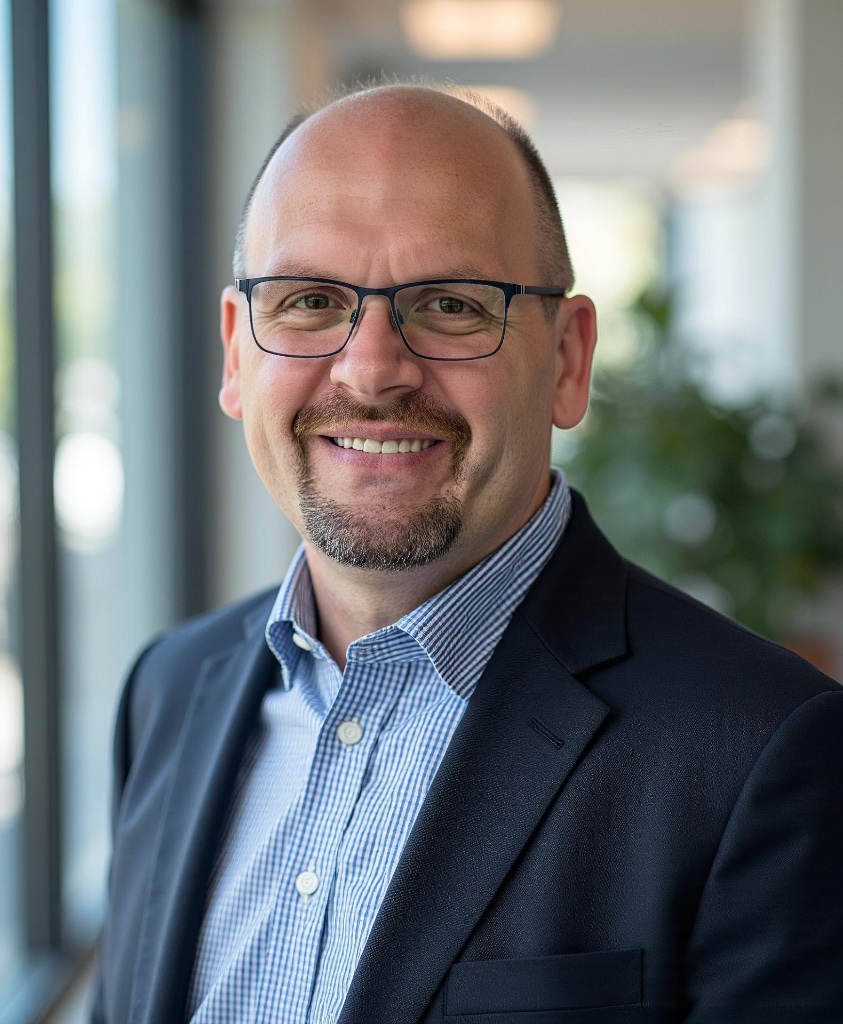
FOUNDER & LEAD INSTRUCTOR
Dave Adamczyk
IICRC Certified - Triple Master
Expert Testimony in more than 15 Criminal/Civil Cases
NFPA - Certified Fire & Explosion Investigator
NFPA - Certified Fire & ExplosionInstructor
Certified Indoor Air Quality Investigator
Industry affiliations:
NFPA - National Fire Protection Agency - www.nfpa.org
IICRC - Institute of Inspection Cleaning and Restoration Certification https://iicrc.org/
IAAI - International Association Arson Investigators - https://www.firearson.com/
IAQA - Indoor Air Quality - www.iaqa.org
INDUSTRY Experience
20+ Years
Credentials
15+ Times Expert Witness
Frequently Asked Questions
Is this live training or pre-recorded content?
The primary training is delivered live online by course instructors, with opportunities for instructor discussion and live Q&A.
Is Advanced Fire an entry-level course?
No. Advanced Fire is designed for restoration professionals who already understand basic fire and smoke cleanup and want to develop deeper technical knowledge in combustion chemistry, thermal damage assessment, odor science, and complex fire losses.
What will I learn in Advanced Fire?
The training covers combustion science and byproducts, soot classification, thermal damage assessment, cleaning chemistry, surface-specific restoration, HVAC decontamination, odor elimination, corrosion prevention, documentation, and real-world case studies.
How long is the training?
Advanced Fire is delivered over two live training days. Exact session times are provided during enrollment.
Will I receive a certificate?
Yes. Participants receive a Certificate of Completion for the Advanced Fire training program.
What is the cost of Advanced Fire?
Enrollment is $650 one time. There is no subscription or recurring fee.
Make Better Decisions When the Fire Loss Gets Complicated
Advanced Fire gives you two days of focused technical training across 10 advanced modules, covering combustion chemistry, thermal damage assessment, odor control, corrosion timelines, and complex fire restoration scenarios.
When your fire restoration scope is built on tested hypotheses instead of habit, it becomes evidence not an argument.
Start Advanced Fire Training
$650
One-time enrollment. No recurring fees
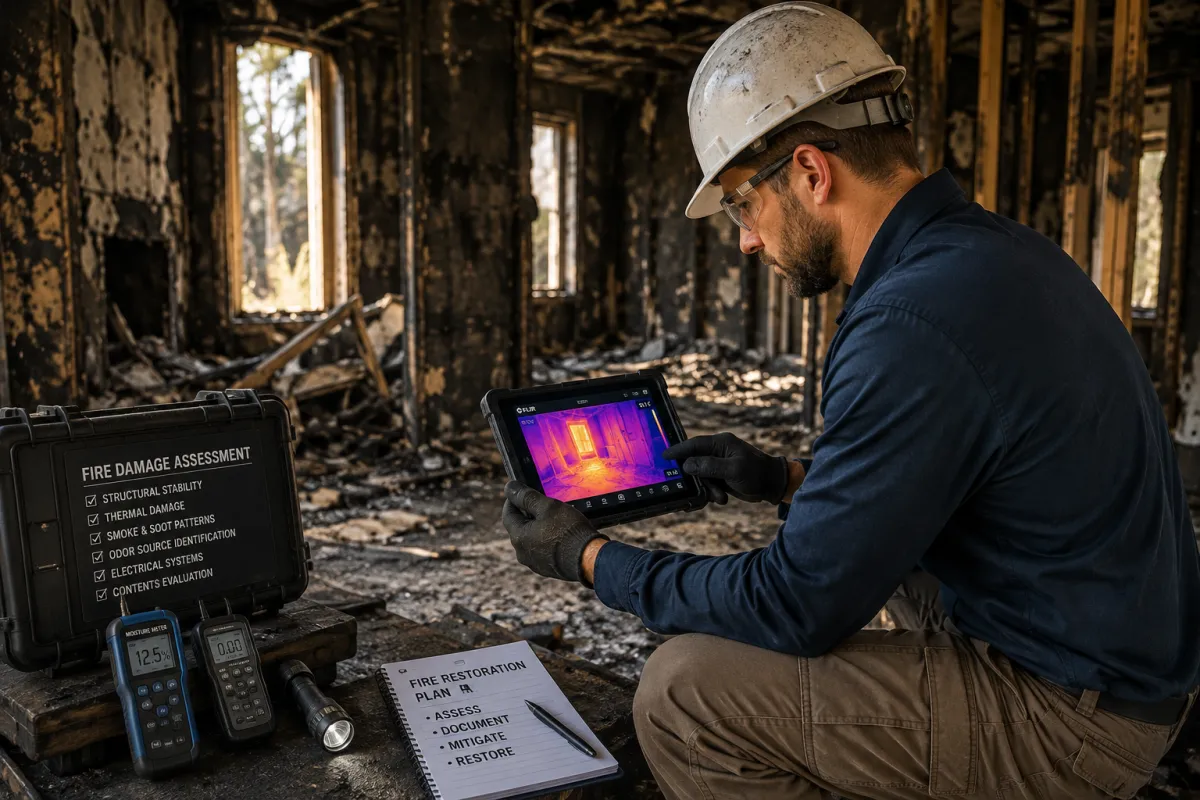
Advanced Restoration Training
Four specialized courses. One goal: better restoration decisions.
Whether you're dealing with combustion and soot, standing water and drying, microbial contamination, or high-value contents, RLA's Advanced Training series takes experienced restoration professionals deeper into the technical decisions that complex losses require.
you're here
Advanced Fire
Combustion · Soot · Thermal Damage · Corrosion · HVAC Contamination · Odor
Advanced Water
Psychrometry · Drying
Science · Complex Water
Losses
Advanced Mold
Microbial Science · Moisture · Containment · Safety · IAQ · Compliance · Verification
Advanced Contents
Inventory · Textiles · Electronics · Specialty Cleaning · High-Value Items · Claims